


In today’s interconnected world, pupil neighborhoods play a pivotal duty fit academic and personal experiences.

These communities are not simply collections of people however are dynamic communities that foster development, finding out, and partnership among students. They vary widely in form and feature, from campus-based teams to worldwide on the internet discussion forums, each offering distinct opportunities for engagement and development.
Whether you are tipping onto a college campus for the very first time or participating in virtual knowing environments, comprehending the framework and benefits of pupil neighborhoods can considerably boost your academic journey. This article delves into the significance of student neighborhoods, exploring just how they work, the benefits they give, and the ways in which they can be leveraged for personal and academic success.
Recognizing Student Areas
Trainee areas are foundational to the academic experience, functioning as both social and educational support group. At their core, these communities are teams developed naturally by trainees who share common rate of interests, objectives, or fields of study. They can be casual, such as study groups, or formal, like trainee unions Use linear Approximation to approximate e^.01 and clubs.
These communities are characterized by a common identification and the cumulative pursuit of knowledge, skills, and experiences. They act as platforms for students to link, collaborate, and contribute to each various other’s development, extending past scholastic borders to affect personal development and area engagement.
In essence, trainee communities are microcosms of larger social structures, where management skills are developed, concepts are exchanged, and long-lasting relationships are formed. The interactions within these areas mirror a diverse blend of cultural, intellectual, and social dynamics.
- Networking Opportunities: Student neighborhoods offer a network of peers and advisors that can provide support and advice.
- Ability Development: Engaging in neighborhood activities helps pupils develop vital abilities such as interaction, leadership, and synergy.
- Source Gain access to: These neighborhoods commonly give accessibility to academic sources, including research products and experienced advice.
- Social Involvement: They offer a system for social interaction, alleviating the change right into new scholastic atmospheres and helping to combat seclusion.
Via these different features, trainee neighborhoods end up being indispensable to the holistic advancement of students, laying a structure for future professional and individual success.
The Advantages of Taking Part In Student Neighborhoods
The advantages of taking part in trainee communities are multifaceted, affecting both academic and personal spheres.
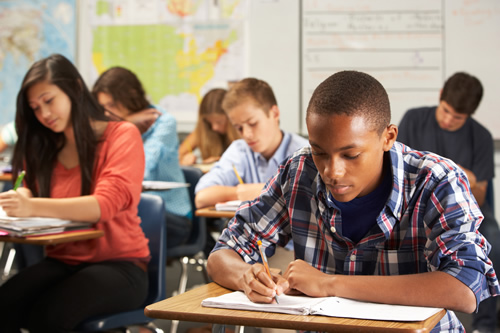
On a scholastic degree, these communities urge collaborative discovering, enabling pupils to gain edtech platform from varied viewpoints and competence. Sharing knowledge and resources within a community can result in more reliable learning end results and improved scholastic performance.
Moreover, trainee areas provide a platform for individual development and self-discovery. By involving with peers from different backgrounds and techniques, pupils get a wider worldview, enhancing their social skills and empathy. This direct exposure to varied perspectives is vital in establishing crucial thinking and problem-solving abilities.
Furthermore, active engagement in neighborhood tasks can boost trainees’ self-confidence and self-confidence. Handling leadership roles or taking part in conversations and events promotes a sense of achievement and belonging, which is essential for general health and inspiration.
Types of Trainee Neighborhoods
Trainee areas been available in different forms, each accommodating different interests and objectives. These can be extensively categorized into scholastic, cultural, entertainment, and specialist neighborhoods, to name a few. Each type offers distinct platforms and possibilities for student involvement.
- Academic Communities: These are typically focused around specific disciplines or academic rate of interests. Examples include study hall, honors societies, and departmental clubs.
- Social Neighborhoods: These groups concentrate on promoting social recognition and diversity, usually organizing events and activities to celebrate different traditions.
- Recreational Areas: These include sports teams, entertainment clubs, and hobby-based groups that offer a break from scholastic roughness and advertise physical and psychological health and wellness.
- Professional Areas: These are aimed at job development, using networking possibilities, workshops, and mentorship programs to prepare students for the expert world.
By identifying and engaging with the ideal neighborhoods, students can customize their university experiences to line up with their passions and job aspirations, paving the way for a satisfying scholastic trip.
Constructing a Thriving Trainee Community
Producing and preserving a flourishing student neighborhood needs effort and collaboration from both trainees and educational institutions. It starts with cultivating an inclusive setting where all trainees feel invited and valued no matter their histories.
Institutions can sustain this by offering sources and centers that urge interaction and involvement. This includes creating physical spaces like trainee unions and on the internet platforms that promote communication and cooperation. In addition, organizing events, workshops, and seminars can further improve involvement, supplying students with opportunities to attach and pick up from each various other.
Management and Student Involvement
Reliable leadership is essential in supporting a successful trainee neighborhood. Leadership duties within these neighborhoods offer trainees an opportunity to develop and demonstrate their organizational and social abilities. Students who think these functions contribute considerably to setting the tone and direction of their areas, influencing their peers positively.
Urging management and active engagement among trainees not only enhances the community however likewise encourages people, preparing them for future difficulties. By promoting a culture of partnership and assistance, pupil areas can prosper, leaving a lasting impact on their participants and the scholastic atmosphere overall.


